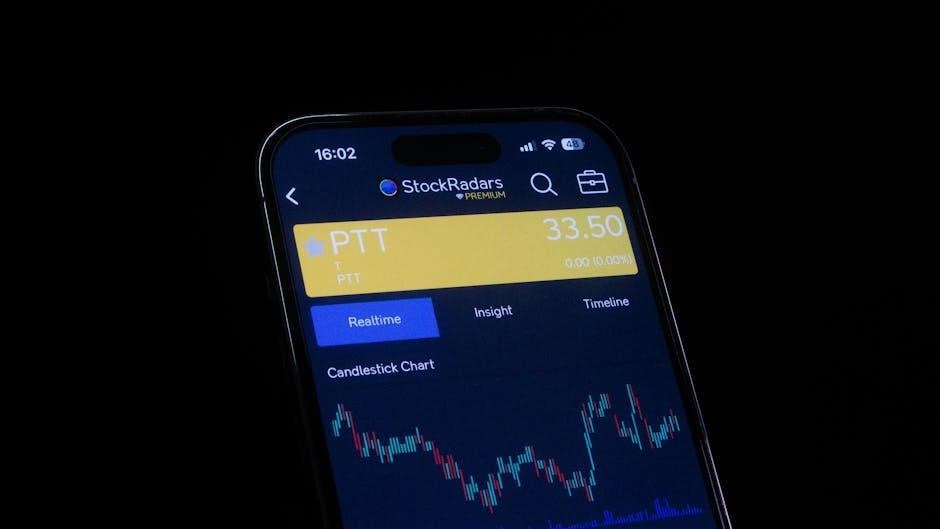
Day Trading for Dummies: A Comprehensive Guide
Embark on your day trading journey! This guide simplifies complex concepts‚ covering stock selection‚ broker choices‚ and risk management. Find resources to begin‚ including potential day trading for dummies pdf materials.
What is Day Trading?
Day trading involves buying and selling financial instruments – stocks‚ currencies‚ futures‚ and more – within the same trading day. Unlike long-term investing‚ day traders aim to profit from small price fluctuations‚ closing all positions before the market closes to avoid overnight risk. It’s a fast-paced‚ high-intensity strategy requiring discipline and quick decision-making.
Essentially‚ day traders are speculators‚ capitalizing on intraday market volatility. Successful day trading isn’t about predicting the future; it’s about reacting to current market conditions and exploiting short-term opportunities. This often involves leveraging tools like technical analysis to identify potential trades.

However‚ it’s crucial to understand that day trading is not a “get-rich-quick” scheme. It demands significant time‚ dedication‚ and a thorough understanding of market dynamics. Many resources‚ including a day trading for dummies pdf‚ can help beginners grasp the fundamentals. These guides often cover essential concepts like order types‚ risk management‚ and trading psychology. Be prepared for a steep learning curve and potential losses before achieving consistent profitability. It’s a skill honed through practice and continuous learning.
The Appeal and Risks of Day Trading

The appeal of day trading is readily apparent: the potential for rapid profits. Unlike traditional investing‚ where returns may take years to materialize‚ day trading offers the possibility of gains within minutes or hours. This attracts individuals seeking financial independence and control over their income. The flexibility to trade from anywhere with an internet connection is another significant draw.
However‚ the allure of quick profits is often overshadowed by substantial risks. Day trading is inherently speculative and carries a high degree of risk‚ with the potential for significant financial losses. Market volatility‚ unexpected news events‚ and emotional biases can all contribute to unfavorable outcomes. Leverage‚ while amplifying potential gains‚ also magnifies losses.
Beginners should approach day trading with caution and a realistic understanding of the challenges involved. Resources like a day trading for dummies pdf can provide a foundational understanding of these risks and strategies to mitigate them. Thorough education‚ disciplined risk management‚ and a well-defined trading plan are essential for survival in this competitive arena. Never risk more than you can afford to lose.
Essential Terminology for Beginner Day Traders
Navigating the world of day trading requires understanding a specific lexicon. Bid and Ask represent the highest price a buyer will pay and the lowest a seller will accept‚ respectively. The Spread is the difference between these two. Volume indicates the number of shares traded in a given period‚ reflecting market activity.
Market Capitalization (Market Cap) is a company’s total value‚ calculated by multiplying share price by shares outstanding. Volatility measures price fluctuations‚ crucial for risk assessment. Liquidity refers to how easily an asset can be bought or sold without impacting its price.
Understanding order types is vital: Market Orders execute immediately at the best available price‚ while Limit Orders specify a desired price. Stop-Loss Orders automatically sell when a price reaches a predetermined level‚ limiting potential losses. A day trading for dummies pdf will often dedicate significant space to defining these terms.
Familiarizing yourself with these terms is the first step towards informed decision-making. Ignoring this foundational knowledge can lead to costly mistakes. Consistent study and practical application are key to mastering this terminology and becoming a successful day trader.
Choosing the Right Broker for Day Trading
Selecting the appropriate broker is paramount for successful day trading. Consider factors beyond just commission fees. Execution Speed is critical; milliseconds matter in fast-paced markets. Look for brokers offering Direct Access Routing (DAR)‚ allowing orders to bypass market makers for potentially faster fills.

Platform Stability is non-negotiable. Frequent outages or glitches can result in missed opportunities and losses. Margin Rates impact borrowing costs if you trade on margin – lower rates are preferable. Account Minimums vary; some brokers require substantial initial deposits.
Research the broker’s Regulatory Oversight; ensure they are regulated by reputable authorities like the SEC or FINRA. A good broker will also offer robust Customer Support. Many resources‚ including a day trading for dummies pdf‚ emphasize the importance of thorough broker research.
Compare brokers based on these criteria‚ reading reviews and testing demo accounts. Don’t solely focus on the lowest fees; prioritize reliability‚ speed‚ and a platform that suits your trading style. A well-chosen broker can be a significant advantage.
Understanding Trading Platforms and Tools
Day trading platforms are your command center. Familiarity with their features is crucial. Real-time Data is essential – delayed quotes are unacceptable. Look for platforms offering Level 2 Quotes‚ displaying the order book depth and providing insight into buying and selling pressure.
Charting Tools are vital for technical analysis. Ensure the platform supports various chart types (candlestick‚ bar‚ line) and allows for the application of technical indicators. Order Entry Systems should be efficient and customizable‚ allowing for quick execution of trades.
Simulated Trading (paper trading) is invaluable for practice. Test strategies and familiarize yourself with the platform without risking real capital. Many platforms offer Alerts‚ notifying you of price movements or specific conditions.
Resources like a day trading for dummies pdf often highlight the importance of platform proficiency. Explore features like Hotkeys for faster order execution and Risk Management Tools‚ such as bracket orders. Mastering your platform is a key component of successful day trading.
Stock Selection Criteria for Day Trading

Choosing the right stocks is paramount for day trading success. Liquidity is key – select stocks with high trading volume to ensure easy entry and exit. Aim for stocks that trade at least 100‚000 shares daily. Volatility provides opportunities‚ but also increases risk; look for stocks with a reasonable Average True Range (ATR).
Price Action should be clear and exhibit discernible patterns. Avoid stocks stuck in a tight trading range. News Catalysts can drive significant price movements; monitor earnings reports‚ industry news‚ and company announcements. A day trading for dummies pdf will often emphasize the importance of focusing on a limited number of stocks.
Float (shares available for trading) impacts volatility. Lower floats can lead to larger price swings. Consider stocks within your risk tolerance and understanding. Sector Rotation can also influence stock performance; identify sectors showing strength.
Avoid penny stocks‚ as they are often highly speculative and prone to manipulation. Prioritize stocks with established fundamentals and a clear market narrative. Diligence in stock selection significantly improves your odds of profitability.
Technical Analysis Basics for Day Traders
Technical analysis is crucial for identifying potential trading opportunities. It involves studying historical price charts and patterns to predict future price movements. Chart patterns‚ like head and shoulders or triangles‚ signal potential reversals or continuations. A day trading for dummies pdf will likely dedicate a section to these visual cues.
Support and resistance levels are key areas where price tends to bounce or stall. Identifying these levels helps determine entry and exit points. Trend lines illustrate the direction of price movement‚ indicating whether a stock is in an uptrend‚ downtrend‚ or sideways trend.
Moving averages smooth out price data‚ revealing underlying trends. Common periods include 50-day and 200-day moving averages. Volume confirms the strength of a trend; increasing volume during an uptrend suggests strong buying pressure.
Mastering these basics provides a foundation for informed trading decisions. Remember that technical analysis isn’t foolproof‚ but it offers valuable insights into market sentiment and potential price action. Practice and consistent application are essential.
Chart Patterns and Indicators
Chart patterns visually represent potential future price movements. Head and Shoulders signal a bearish reversal‚ while Double Bottoms suggest a bullish one. Triangles (ascending‚ descending‚ symmetrical) indicate consolidation before a breakout. A day trading for dummies pdf will illustrate these patterns with clear examples.
Indicators mathematically process price and volume data to generate trading signals. The Moving Average Convergence Divergence (MACD) identifies trend changes. The Relative Strength Index (RSI) measures the magnitude of recent price changes to evaluate overbought or oversold conditions.
Bollinger Bands display price volatility around a moving average. Fibonacci Retracements identify potential support and resistance levels based on Fibonacci sequences. Combining multiple indicators can improve signal accuracy‚ but avoid overcomplicating your analysis.
Understanding these patterns and indicators empowers traders to make more informed decisions. Remember to backtest strategies using historical data and practice consistently. Don’t rely solely on indicators; consider the broader market context.
Fundamental Analysis: A Quick Overview
Fundamental analysis evaluates a company’s intrinsic value by examining economic‚ financial‚ and qualitative factors. While day trading often focuses on short-term price movements‚ understanding a company’s fundamentals can provide a broader context. A comprehensive day trading for dummies pdf should dedicate a section to this.
Key metrics include revenue growth‚ earnings per share (EPS)‚ price-to-earnings (P/E) ratio‚ and debt-to-equity ratio. Analyzing these figures helps assess a company’s profitability‚ valuation‚ and financial health. News events‚ industry trends‚ and management quality also play crucial roles.
For day traders‚ fundamental analysis isn’t about long-term investment; it’s about identifying potential catalysts for short-term price swings. Positive earnings reports or unexpected news can trigger rapid movements. However‚ remember that market sentiment can often override fundamentals in the short run.
Combining fundamental insights with technical analysis can create a more robust trading strategy. Always consider the bigger picture‚ even when focusing on intraday trades. Thorough research is paramount for success.
Order Types: Market‚ Limit‚ Stop-Loss

Understanding order types is crucial for executing trades effectively. A good day trading for dummies pdf will thoroughly explain these. The most basic is a market order‚ which executes immediately at the best available price – useful for quick entry or exit‚ but price isn’t guaranteed.

Limit orders allow you to specify a maximum purchase price or a minimum selling price. These ensure you won’t buy too high or sell too low‚ but may not execute if the price doesn’t reach your limit. Stop-loss orders are vital for risk management. They automatically sell your position if the price falls to a predetermined level‚ limiting potential losses.
Variations include stop-limit orders (combining features of both) and trailing stop-loss orders (adjusting the stop price as the market moves favorably). Choosing the right order type depends on your strategy and risk tolerance.
Practice using these order types in a simulated trading environment before risking real capital. Mastering order execution is a fundamental skill for any aspiring day trader.
Risk Management Strategies
Protecting your capital is paramount in day trading. A comprehensive day trading for dummies pdf will emphasize this repeatedly. Never risk more than 1-2% of your trading capital on a single trade. This prevents significant losses from wiping out your account.
Stop-loss orders (discussed previously) are your first line of defense. Proper position sizing is also critical – don’t overextend yourself. Diversification‚ while less common in pure day trading‚ can still offer some protection. Understand your risk tolerance and trade accordingly.
Reward-to-risk ratio is a key concept. Aim for trades where the potential reward is at least twice the potential risk. Keep a trading journal to analyze your wins and losses‚ identifying patterns and areas for improvement.
Emotional discipline is crucial; avoid chasing losses or letting winning trades turn into losers. Regularly review and adjust your risk management plan as your experience grows. Remember‚ consistent small gains are preferable to occasional large losses.
Developing a Day Trading Plan
A well-defined day trading plan is essential for success‚ and a good day trading for dummies pdf will stress its importance. This plan should outline your trading goals‚ risk tolerance‚ and preferred strategies. Specify the markets you’ll trade (stocks‚ forex‚ futures) and the time of day you’ll focus on.
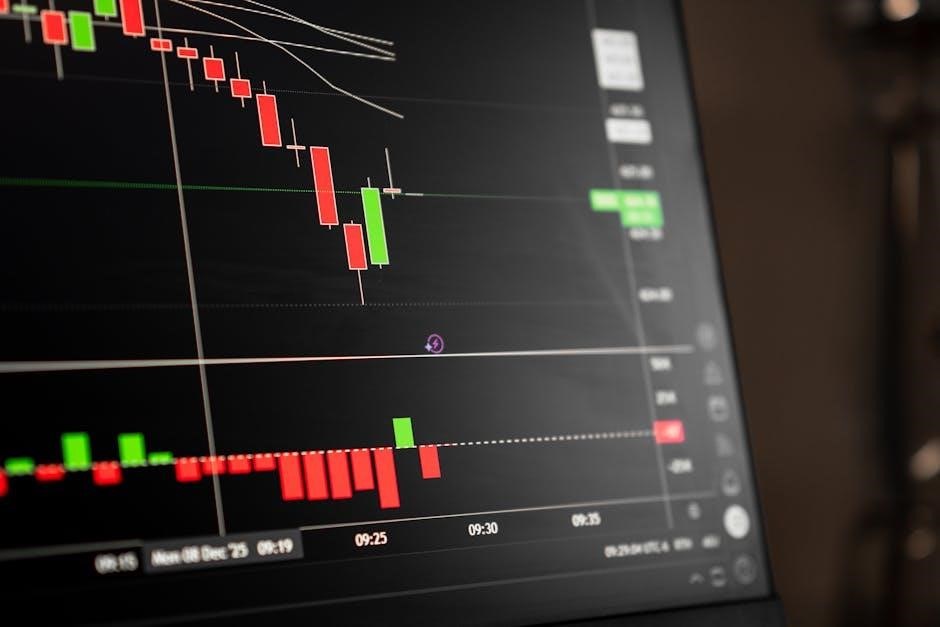
Detail your entry and exit rules‚ including specific technical indicators or chart patterns you’ll use. Define your position sizing rules – how much capital you’ll allocate to each trade. Establish clear stop-loss and take-profit levels before entering a trade.
Your plan should also include a section on record-keeping. Maintain a trading journal to track your trades‚ analyze your performance‚ and identify areas for improvement.
Regularly review and refine your plan based on your results and changing market conditions. Treat your day trading plan as a living document‚ adapting it as you gain experience. Consistency and discipline are key to executing your plan effectively.
Common Day Trading Strategies
Several strategies cater to different risk appetites and market conditions. A day trading for dummies pdf often introduces these basics. Scalping aims for small profits from numerous trades throughout the day‚ requiring quick execution and tight spreads.
Day trading‚ in its purest form‚ involves holding positions only within the trading day‚ avoiding overnight risk. Swing trading‚ while not strictly day trading‚ can inform intraday decisions by identifying short-term price swings.
Momentum trading capitalizes on stocks exhibiting strong price trends‚ while range trading profits from price fluctuations within a defined range. Breakout trading seeks to profit from price movements when a stock breaks through key resistance or support levels.
Remember‚ no strategy guarantees profits. Backtesting – simulating trades using historical data – is crucial before implementing any strategy with real capital. Combine strategies with robust risk management‚ as highlighted in beginner guides like a day trading for dummies pdf.
Psychology of Day Trading
Day trading is intensely psychological. A day trading for dummies pdf often understates the emotional toll. Fear and greed are constant companions‚ potentially leading to impulsive decisions and deviations from your trading plan. Discipline is paramount; sticking to pre-defined rules‚ even when facing losses‚ is crucial.
Emotional control prevents chasing losses or prematurely taking profits. Overconfidence‚ born from a few successful trades‚ can lead to reckless risk-taking. Recognizing and managing these biases is vital for long-term success.
Patience is key; not every day presents profitable opportunities. Avoid the temptation to force trades. Acceptance of losses is also essential – losses are an inevitable part of trading.
Many resources‚ including a comprehensive day trading for dummies pdf‚ emphasize the importance of maintaining a detached‚ analytical mindset. Consider mindfulness techniques or journaling to improve emotional regulation and enhance trading performance.
Resources for Further Learning (PDFs & Websites)
Expanding your knowledge is crucial. A great starting point is searching for a “day trading for dummies pdf” – numerous free and paid resources exist‚ offering foundational knowledge. However‚ be discerning; quality varies significantly.
Investopedia (https://www.investopedia.com/) provides a comprehensive glossary and educational articles. BabyPips (https://www.babypips.com/) focuses on Forex but offers valuable trading principles applicable to all markets.
TradingView (https://www.tradingview.com/) is an excellent platform for charting and analysis‚ with a vibrant community. StockCharts (https://stockcharts.com/) offers similar features and educational content.
Brokerage firms often provide educational materials‚ including webinars and articles. Remember to supplement these with independent research. Beware of “gurus” selling expensive courses; a solid day trading for dummies pdf and diligent self-study can be equally effective. Continuously learning and adapting is key to success.