The Last Castle: A Deep Dive into Jack Vance’s Masterpiece
Jack Vance’s 1966 novel, a captivating tale, explores themes of power, decay, and human resilience within a uniquely imagined, fading world.
Jack Vance occupies a singular position in the landscape of fantasy literature, renowned for his distinctive prose style and the creation of utterly original worlds. Unlike many of his contemporaries who drew heavily from medieval European tropes, Vance crafted settings and characters that felt alien and yet strangely compelling. His work, including The Last Castle, eschews simplistic morality, presenting instead a nuanced exploration of human ambition, pragmatism, and the consequences of unchecked power.
Vance’s vision is characterized by a baroque sensibility, a love of intricate detail, and a willingness to embrace ambiguity. He doesn’t offer easy answers or clear-cut heroes; his characters are often flawed, self-serving, and driven by motivations that are far from noble. This complexity, combined with his evocative language, sets him apart and continues to captivate readers decades after his initial publications. The Last Castle exemplifies this unique approach, offering a compelling narrative within a meticulously constructed, dying world.
II. Setting the Stage: The World of the Dying Earth
The Last Castle unfolds on a far-future Earth, a world nearing its terminal decline. This is not a sudden cataclysm, but a slow, inexorable fading of the sun’s energy, leading to a gradual cooling and the depletion of vital resources. Vance masterfully portrays this dying world not as a barren wasteland, but as a landscape steeped in history, decay, and a strange, melancholic beauty. Remnants of advanced civilizations litter the landscape, hinting at glories long past, now crumbling under the weight of entropy.
Magic, in this setting, isn’t a readily available force, but a dwindling resource, requiring skill, knowledge, and often, a degree of desperation to wield effectively. The world is populated by eccentric wizards, cunning rogues, and desperate individuals all vying for survival in a landscape where the rules are constantly shifting and the future is uncertain. This backdrop of decline profoundly shapes the characters and their motivations.
A. Aethel and its Peculiar Geography
Aethel, the primary setting for The Last Castle, is a region characterized by its unusual and often treacherous geography. Vance doesn’t provide a comprehensive map, instead revealing the landscape through Rhialto’s journey, emphasizing its fragmented and isolated nature. Towering, eroded mesas dominate the horizon, interspersed with winding canyons and hidden valleys. These formations are not merely scenic; they dictate travel routes and offer strategic advantages.
The land is dotted with the ruins of ancient cities, partially buried by sand and time, hinting at a once-thriving civilization. Strange flora and fauna, adapted to the dwindling sunlight, populate the region, adding to its alien atmosphere. The very ground seems unstable, prone to sinkholes and unexpected geological shifts, making exploration a constant risk. Aethel’s geography is thus integral to the narrative, shaping events and influencing character interactions.
B. The Declining Sun and its Impact
The Dying Earth setting is defined by its aging sun, a celestial body growing ever dimmer and colder. This isn’t a sudden catastrophe, but a slow, inexorable decline spanning millennia. In The Last Castle, the weakening sunlight profoundly impacts Aethel’s environment and its inhabitants. Days are shorter, and the light is a sickly, reddish hue, casting long, distorted shadows.
Agriculture is increasingly difficult, forcing reliance on dwindling resources and arcane methods. The fading light also affects magical energies, making spells less potent and more unpredictable. A pervasive sense of melancholy and resignation hangs over the land, as people grapple with the knowledge of their world’s eventual demise. The declining sun isn’t just a backdrop; it’s a driving force behind the story’s conflicts and motivations.
C. Magic as a Depleted Resource
In the world of The Last Castle, magic isn’t a readily available force, but a dwindling resource, painstakingly gleaned from ancient texts and forgotten lore. Centuries of use have depleted its potency, making even simple spells require considerable skill and effort. Powerful sorcerers are rare, and their abilities are often limited and unpredictable.
Rhialto the Marvellous, despite his reputation, operates within these constraints, carefully conserving his energies and relying on cunning as much as raw power. The cost of magic is high, often involving rare ingredients, complex rituals, and a significant drain on the caster’s vitality. This scarcity shapes the political landscape, as control over magical knowledge translates to power and influence. The fading of magic mirrors the fading of the sun, symbolizing the overall entropy of the Dying Earth.
III. Character Analysis: Rhialto the Marvellous
Rhialto the Marvellous stands as a quintessential Vancean protagonist – a complex, amoral, and supremely competent individual navigating a treacherous world. He is a magician, but not a hero in the traditional sense; his motivations are primarily self-serving, driven by a desire for wealth, comfort, and intellectual stimulation. Rhialto possesses a remarkable intellect and a vast repertoire of spells and arcane knowledge, allowing him to manipulate situations to his advantage.
He’s pragmatic and calculating, viewing morality as a flexible construct. Despite his often-selfish actions, Rhialto isn’t inherently malicious, displaying a certain detached amusement at the follies of others. His character embodies Vance’s exploration of humanity’s capacity for both brilliance and indifference.
A. Rhialto’s Skills and Abilities
Rhialto the Marvellous is exceptionally skilled in the waning art of magic, possessing a comprehensive understanding of spells, enchantments, and arcane lore. His abilities extend beyond simple spellcasting; he’s a master of illusion, capable of creating convincing disguises and manipulating perceptions. He demonstrates proficiency in various forms of divination, allowing him to glean information about the past, present, and potential futures, though these are rarely absolute.
Furthermore, Rhialto is a cunning strategist and negotiator, adept at exploiting weaknesses and leveraging advantages. He’s also surprisingly physically capable, displaying agility and resourcefulness when necessary. His true strength, however, lies in his intellect and his ability to adapt to any situation, making him a formidable opponent and a valuable, if unreliable, ally.
B. His Moral Ambiguity and Pragmatism
Rhialto operates firmly within a grey moral landscape, prioritizing results over rigid adherence to ethical codes. He’s not inherently malicious, but readily employs deception, manipulation, and even ruthlessness to achieve his objectives. His pragmatism dictates that sentimentality is a luxury he cannot afford in the harsh world of the Dying Earth. He accepts bribes, makes dubious alliances, and isn’t above exploiting others for personal gain.
This isn’t necessarily indicative of inherent wickedness, but rather a survival mechanism honed by years navigating a society steeped in treachery. Rhialto views morality as a fluid concept, shaped by circumstance, and consistently demonstrates a willingness to compromise his principles for practical advantage. He embodies Vance’s exploration of complex characters lacking simple categorization.
C. Rhialto as a Representative of Vancean Humanity
Rhialto perfectly encapsulates Vance’s often cynical, yet fascinating, portrayal of humanity. He isn’t a hero in the traditional sense; he’s flawed, self-serving, and driven by ambition. However, he possesses a cunning intelligence and a certain charm that makes him compelling. He represents a humanity adapted – or perhaps degraded – to a world where resources are dwindling and morality is increasingly irrelevant.
Vance frequently presents characters who are resourceful and adaptable, but rarely noble; Rhialto embodies this archetype, showcasing a pragmatic approach to survival that prioritizes self-preservation above all else. He’s a product of his environment, a reflection of a society where power and cunning are the ultimate currencies, and a prime example of Vancean human resilience.
IV. The Castle Itself: A Symbol of Decay and Power
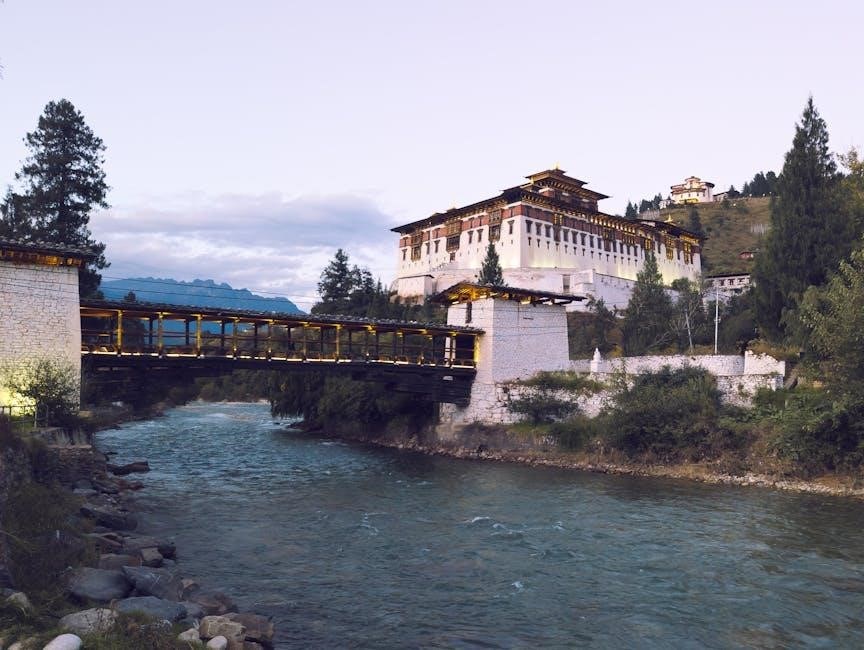
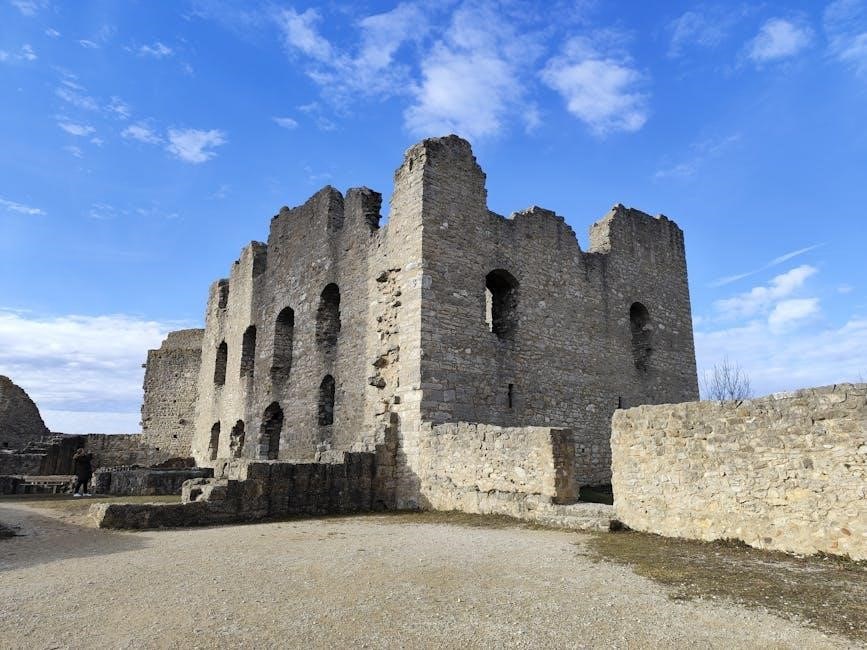
The Castle in Vance’s narrative isn’t merely a setting; it’s a potent symbol of a civilization in decline. Its imposing structure, though grand, bears the marks of age and neglect, mirroring the waning power of its inhabitants and the Dying Earth itself. The architecture speaks of a forgotten glory, hinting at a past era of prosperity and strength now irrevocably lost.
It represents both a fortress of power and a gilded cage, confining those within its walls while simultaneously offering a degree of protection from the dangers of the outside world. The castle’s very stones seem to whisper tales of intrigue, betrayal, and the slow, inexorable creep of entropy, embodying the central themes of the novel.
A. Architectural Description and Significance
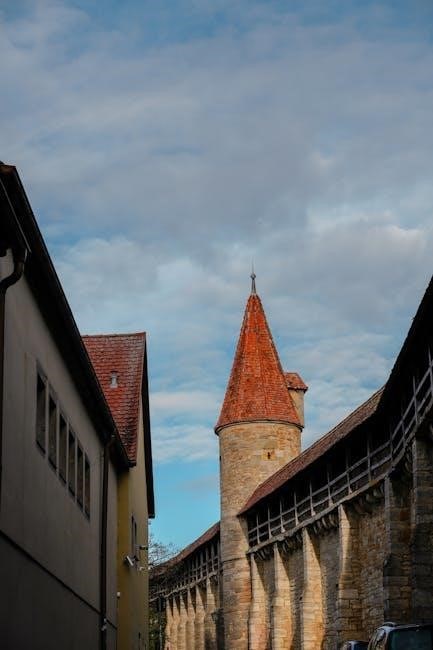
The Castle’s architecture is distinctly Vancean – elaborate, yet subtly unsettling. Constructed from a dark, obsidian-like stone, it rises in tiered levels, adorned with intricate carvings depicting scenes of forgotten deities and bizarre creatures. Towers spiral upwards, capped with weather-worn finials, while narrow, winding staircases lead to hidden chambers and forgotten galleries.
Its design isn’t purely functional; aesthetic considerations, bordering on the grotesque, are paramount. The placement of windows and doorways seems deliberately disorienting, creating a labyrinthine interior. This reflects the psychological state of its inhabitants – a sense of isolation, paranoia, and a clinging to outdated grandeur. The castle’s very structure embodies the decaying elegance of the Dying Earth.
B. The Castle’s Inhabitants: A Microcosm of Society
Within the Castle’s walls resides a peculiar collection of individuals, each representing a facet of Vance’s cynical view of humanity. Lord Morwen, the enigmatic master, is attended by a retinue of servile retainers, ambitious courtiers, and subtly menacing guards. These characters are driven by self-interest, petty jealousies, and a desperate clinging to status within a crumbling hierarchy.
The inhabitants aren’t inherently evil, but rather pragmatically amoral. They navigate a world where resources are dwindling and trust is a liability. Their interactions are characterized by veiled threats, subtle manipulations, and a constant struggle for power. The castle, therefore, functions as a miniature society, mirroring the broader decay and moral ambiguity of the Dying Earth itself.
C. The Castle as a Prison and a Refuge
The Last Castle paradoxically embodies both confinement and sanctuary. For Lord Morwen, it’s a gilded cage, isolating him from a hostile world while simultaneously trapping him within his own secrets and anxieties. The castle’s imposing structure and intricate defenses offer physical protection, yet they also symbolize his emotional and psychological imprisonment.
Conversely, for Rhialto, the castle initially represents a lucrative commission and a temporary haven from the dangers of the Dying Earth. However, as he delves deeper into the mystery surrounding Morwen, he discovers that the castle’s walls conceal as much danger as they exclude. It becomes a labyrinth of intrigue, where escape is as challenging as finding truth. Ultimately, the castle’s duality reflects the precarious nature of existence on the Dying Earth.
V. Plot Summary: A Tale of Intrigue and Survival
The Last Castle centers on Rhialto the Marvellous, a cunning magician and adventurer, commissioned by the enigmatic Lord Morwen to assess the defenses of his remote castle. Arriving at the isolated fortress, Rhialto quickly realizes the situation is far more complex than a simple security evaluation. He discovers a web of secrets, suspicions, and veiled threats surrounding Morwen and his household.
As Rhialto investigates, he uncovers a plot orchestrated by Grolim, a powerful and ambitious sorcerer, who seeks to usurp Morwen’s position and claim the castle for himself. The narrative unfolds as Rhialto navigates treacherous alliances, deciphers cryptic clues, and ultimately confronts Grolim in a climactic battle of wits and magic, fighting for survival and the fate of the castle.
A. The Initial Commission and Rhialto’s Arrival
Rhialto the Marvellous receives a peculiar commission from Lord Morwen, a reclusive nobleman residing in a distant, heavily fortified castle. Morwen, concerned about potential threats and internal dissent, desires a thorough assessment of the castle’s defenses – not by conventional means, but by a magician of Rhialto’s renowned skill and discretion. The fee offered is substantial, enough to pique Rhialto’s interest despite the remote location and vague nature of the task.
Rhialto’s journey to the castle is arduous, traversing a desolate landscape reflective of the Dying Earth’s decline. Upon arrival, he’s greeted with an atmosphere of subtle tension and guarded suspicion. The castle’s staff are reticent, and Morwen himself remains an enigmatic figure, observing Rhialto with a calculating gaze, setting the stage for the unfolding intrigue.
B. Unraveling the Mystery of Morwen
As Rhialto begins his investigation, he quickly realizes that Lord Morwen’s concerns extend far beyond simple security. Through careful observation and subtle questioning, Rhialto uncovers a web of secrets surrounding Morwen’s past and the true nature of his lineage. Rumors circulate amongst the castle staff regarding a contested inheritance and a possible claim to a more significant title, fueling the underlying tension.
Rhialto discovers evidence suggesting Morwen is not who he appears to be, and that his isolation is not merely a matter of preference, but a deliberate attempt to conceal a dangerous truth. The mystery deepens as Rhialto learns of a powerful enemy, Grolim, who seeks to exploit Morwen’s vulnerabilities and seize control of the castle and its resources.
C. The Confrontation with Grolim and the Final Resolution
The climax arrives as Grolim, a formidable and ruthless sorcerer, launches his assault on the castle, intending to claim it for himself. Rhialto, utilizing his cunning intellect and mastery of subtle magics, orchestrates a defense, turning the castle’s intricate architecture and the inhabitants’ peculiar skills against the attacker. The confrontation isn’t a straightforward battle of power, but a complex game of strategy and deception.
Rhialto exposes Grolim’s manipulations and reveals the truth about Morwen’s lineage, shattering Grolim’s carefully constructed plans. The final resolution isn’t a triumphant victory, but a pragmatic settlement, reflecting Vance’s characteristic ambiguity. Rhialto secures Morwen’s position, but at a cost, leaving the castle subtly altered and its future uncertain, a testament to the enduring entropy of the Dying Earth.
VI. Themes Explored: Power, Morality, and Entropy
The Last Castle deeply explores the corrupting influence of power, demonstrating how even noble intentions can be twisted by ambition and the desire for control. Vance presents a nuanced view of morality, eschewing simplistic notions of good and evil; characters operate within shades of grey, driven by self-preservation and pragmatic concerns.
Central to the narrative is the theme of entropy, the inevitable decline and decay that permeates the Dying Earth. The crumbling castle itself symbolizes this process, mirroring the fading of magic and the diminishing vitality of the world. Vance suggests that resistance to entropy is futile, and adaptation – even through morally ambiguous means – is the only path to survival in a universe governed by decay.
A. The Corrupting Influence of Power
Within The Last Castle, Vance meticulously illustrates how power inevitably corrupts, even those who initially seek it for ostensibly justifiable reasons. Grolim, the castle’s former owner, exemplifies this, his initial desire for security devolving into tyrannical control and obsessive paranoia. Even Rhialto, despite his pragmatic morality, manipulates situations and individuals to achieve his goals, demonstrating a subtle but present susceptibility to power’s allure.
The very structure of the castle reinforces this theme; it’s a symbol of dominion, built upon exploitation and maintained through fear. The pursuit of power breeds isolation and distrust, ultimately leading to the downfall of those who grasp for it. Vance suggests that true strength lies not in control, but in understanding and accepting one’s limitations.
B. Vance’s Nuanced View of Good and Evil
Jack Vance avoids simplistic portrayals of good versus evil in The Last Castle, instead presenting a morally ambiguous landscape where characters operate within shades of gray. Rhialto, the protagonist, is far from a traditional hero; he’s a self-serving magician who prioritizes his own interests, yet displays moments of compassion and competence. Similarly, even antagonists like Grolim possess understandable motivations, rooted in fear and a desire for control.
Vance suggests that morality is relative, shaped by circumstance and individual perspective. Actions aren’t inherently good or evil, but rather consequences of complex motivations. This nuanced approach challenges readers to question their own assumptions about morality and recognize the inherent complexities of human nature within a decaying world.
C. The Inevitability of Decay and the Dying Earth
A central theme in The Last Castle, and throughout Vance’s Dying Earth series, is the inexorable march of entropy. The sun is fading, magic is dwindling, and civilization is crumbling, creating a pervasive sense of melancholy and resignation. The castle itself embodies this decay – a once-grand structure slowly succumbing to the ravages of time and neglect.
Vance doesn’t present this decay as a tragedy to be averted, but as an unavoidable cosmic process. Characters acknowledge the futility of long-term planning, focusing instead on immediate survival and personal gain. This acceptance of decline isn’t nihilistic, but rather a pragmatic response to a universe governed by immutable laws. The novel subtly explores how individuals cope with the knowledge of ultimate oblivion.
VII. Vance’s Writing Style: Baroque Prose and Inventive Language
Jack Vance’s prose is instantly recognizable, characterized by its ornate, almost baroque quality. He employs a rich vocabulary, often drawing from archaic or unusual sources, creating a distinctive and immersive reading experience. The Last Castle exemplifies this style, with meticulously detailed descriptions and a deliberate pacing that allows the reader to fully absorb the atmosphere of the Dying Earth.
Vance’s sentences are often complex and layered, filled with precise adjectives and adverbs. He favors indirect narration and a detached, almost ironic tone. This isn’t simply stylistic flourish; it serves to emphasize the alien nature of his settings and the often-amoral behavior of his characters. His inventive language profoundly impacted fantasy literature, inspiring generations of writers.
A. The Use of Archaic and Unusual Vocabulary
Jack Vance deliberately eschews contemporary language in The Last Castle, opting instead for a lexicon steeped in archaic terms and neologisms. Words like “demesne,” “peripatetic,” and “vellicate” aren’t common in modern fantasy, yet they appear frequently, lending the narrative an air of antiquity and otherworldly sophistication. This isn’t simply about sounding “old-fashioned”; it’s a crucial element of world-building.
Vance’s vocabulary choices subtly signal the distance – both temporal and cultural – between our world and the Dying Earth. He also coins new words, often blending existing roots to create terms that feel both familiar and alien. This inventive approach expands the linguistic landscape of the novel, reinforcing the sense that Rhialto and his companions inhabit a truly unique and decaying civilization.
B. Detailed Descriptions and Sensory Imagery
Vance’s prose in The Last Castle isn’t merely functional; it’s richly descriptive, appealing to all five senses. He doesn’t just tell us what things are; he shows us, meticulously detailing textures, colors, sounds, smells, and even tastes. The castle itself, for example, isn’t simply “old”; it’s described with a precision that evokes its crumbling stonework, the musty odor of decay, and the echoing silence within its halls.
This attention to sensory detail isn’t gratuitous. It’s integral to immersing the reader in the Dying Earth’s atmosphere. Vance uses vivid imagery to convey the world’s slow decline, the fading grandeur of its civilizations, and the peculiar beauty that persists even in decay. These descriptions aren’t just window dressing; they are essential to the story’s emotional impact.
C; The Impact of Vance’s Style on Fantasy Literature
Jack Vance’s distinctive style, prominently displayed in The Last Castle, profoundly influenced subsequent fantasy authors. His baroque prose, replete with archaic vocabulary and intricate sentence structures, offered a deliberate alternative to the more straightforward styles prevalent at the time. This approach encouraged a greater emphasis on linguistic artistry within the genre.
Furthermore, Vance’s detailed world-building and focus on morally ambiguous characters paved the way for more nuanced and complex fantasy narratives. Authors like Gene Wolfe and Mervyn Peake demonstrably drew inspiration from Vance’s techniques, adopting similar stylistic flourishes and thematic concerns. The Last Castle, and Vance’s work generally, expanded the possibilities of what fantasy literature could achieve, moving beyond simple heroics to explore darker, more sophisticated themes.
VIII. Legacy and Influence: The Last Castle’s Enduring Appeal
The Last Castle continues to resonate with readers decades after its initial publication, securing its place as a cornerstone of the Dying Earth subgenre. Its influence extends beyond literature, notably impacting the development of role-playing games, particularly Dungeons & Dragons. Vance’s concepts of powerful, yet flawed, wizards and decadent societies directly inspired elements within the game’s lore and character design.
The novel’s enduring appeal lies in its unique blend of intricate plotting, memorable characters, and evocative prose. It’s a testament to Vance’s skill that The Last Castle remains a touchstone for fantasy authors seeking to craft richly detailed and morally ambiguous worlds. Its exploration of power dynamics and societal decay feels remarkably relevant even today, ensuring its continued readership and critical acclaim.
A. Impact on Dungeons & Dragons and Role-Playing Games
Jack Vance’s influence on Dungeons & Dragons (D&D) is profound, particularly through The Last Castle and the broader Dying Earth cycle. Gary Gygax, co-creator of D&D, openly acknowledged Vance as a primary inspiration. The very concept of the “Vancian magic system” – wizards preparing spells in advance and expending them – originates directly from Vance’s works, including this novel.
Beyond the magic system, the novel’s depiction of powerful, often amoral, spellcasters like Rhialto provided archetypes for D&D’s wizard class. The decadent, crumbling civilizations and strange creatures found within The Last Castle also contributed to the game’s fantastical settings. This influence extends to other role-playing games, shaping the tropes of high fantasy and providing a rich source of inspiration for game masters and players alike.
B. Influence on Subsequent Fantasy Authors
Jack Vance’s The Last Castle, and his Dying Earth series generally, exerted a significant influence on a generation of fantasy authors. Authors like Michael Moorcock, with his own decadent and amoral characters, clearly demonstrate Vance’s impact. The novel’s cynical worldview, where morality is fluid and power is paramount, resonated with writers seeking to move beyond traditional heroic fantasy tropes.
Furthermore, Vance’s distinctive prose style – baroque, detailed, and employing archaic language – inspired many to experiment with their own writing voices. The intricate plotting and focus on social maneuvering within a decaying society found echoes in works exploring complex political landscapes. The Last Castle helped pave the way for a more sophisticated and morally ambiguous brand of fantasy literature, moving beyond simple good versus evil narratives.
C. The Last Castle’s Place in the Dying Earth Cycle
The Last Castle, though a standalone novel, is intrinsically linked to Jack Vance’s broader Dying Earth cycle. Published after the initial collection of short stories, it expands upon the established world, showcasing a later stage in its decline. While not directly featuring Turjan of Miir, it embodies the same atmosphere of decadent beauty and waning magical power.
The novel serves as a compelling illustration of the societal consequences explored throughout the cycle – the fragmentation of civilization, the rise of eccentric individuals, and the desperate pursuit of dwindling resources. It demonstrates how even grand structures, like the castle itself, are ultimately subject to entropy. The Last Castle enriches the Dying Earth universe, offering a focused narrative within its overarching themes of mortality and inevitable decay.