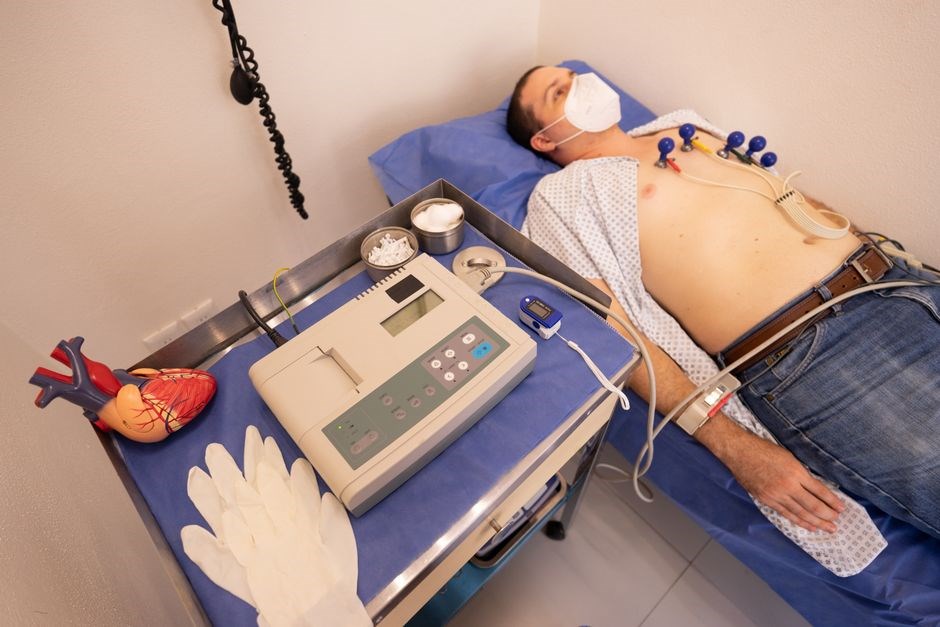
Patient positioning is a foundational nursing skill that optimizes safety, comfort, and clinical outcomes. It involves selecting appropriate bed angles, aligning body segments, and ensuring pressure relief. Proper technique reduces complications, enhances respiratory function, and supports effective care.

Common Patient Positions
Common patient positions include supine, prone, Fowler’s (low, medium, high), and lateral. Each angle serves specific clinical goals: airway clearance, pressure relief, or respiratory support. Proper documentation ensures consistent care and reduces complications. These positions are chosen for care now.
Supine Position
In the supine position, the patient lies flat on the back with the head and torso aligned. This orientation is foundational for many procedures, including imaging, wound care, and airway management. The pelvis is kept neutral, and the knees may be slightly flexed to reduce lumbar strain. Proper padding at the hips, shoulders, and ankles prevents pressure ulcers and promotes circulation. The head of the bed is usually set between 0° and 30° to facilitate drainage and reduce aspiration risk, especially in patients with compromised airway reflexes. Nurses document the exact angle and any adjunctive supports used, such as pillows or foam wedges, to ensure reproducibility and safety. This position also allows easy access to the patient’s abdomen for procedures like catheter insertion or abdominal exams. When repositioning, a gentle, controlled movement is essential to avoid sudden shifts that could dislodge lines or increase pain. Regular assessment of skin integrity, especially over bony prominences, is crucial, and repositioning intervals are guided by institutional protocols or patient-specific risk factors. risk factors.
Prone Position
In the prone position the patient lies face‑down, with the head turned to one side and the torso supported by a specialized pillow or foam wedge. This orientation is commonly used for patients with acute respiratory distress syndrome, spinal trauma, or when surgical access to the posterior thorax or abdomen is required. The head is positioned at a 30‑degree angle to facilitate airway patency and to prevent aspiration. The shoulders are slightly abducted, and the elbows are flexed to avoid brachial plexus stretch. A small pillow or rolled towel is placed beneath the sternum to relieve pressure on the chest and to maintain a neutral spine. The hips are positioned slightly higher than the shoulders to reduce abdominal pressure and improve venous return. Nurses monitor the patient’s oxygen saturation, capillary refill, and skin integrity at 30‑minute intervals, especially over the face, shoulders, and sacrum. Any signs of pressure ulcer development or nerve compression prompt immediate repositioning. The prone position also requires careful attention to lines and tubes; secure all catheters, drains, and ventilator circuits before turning. Documentation should note the exact angle, the type of support used, and any changes in patient comfort or physiological parameters. Regular reassessment ensures that the patient remains safe and that the therapeutic benefits of the prone position are maintained without compromising circulation or airway integrity. Education of staff and patients about positioning cues further enhances safety and promotes early mobilization. daily.?!
Fowler’s Positions
Fowler’s positions are a family of bed angles that elevate the head and upper torso to improve respiratory mechanics, venous return, and patient comfort. The classic high‑Fowler angle places the head of the bed between 60° and 90°, allowing the patient to sit up with knees either flexed or extended. This configuration is frequently employed during episodes of respiratory distress, when inserting a nasogastric tube, or for oral care, as it facilitates airway protection and reduces aspiration risk. Lower‑Fowler positions, ranging from 30° to 45°, are used for patients who require a more reclined posture for comfort or to ease pressure on the abdomen. The semi‑upright position, typically set at 30°, is ideal for patients with mild respiratory compromise or those undergoing diagnostic imaging. Nurses must assess each patient’s tolerance, ensuring that the angle does not impede circulation or cause discomfort. Proper support with pillows or wedges under the knees and lumbar region helps maintain spinal alignment and prevents shear forces. Documentation should record the exact angle, any adjunctive supports, and the patient’s response to the position. Regular repositioning, at least every two hours, is essential to prevent pressure ulcers and to promote optimal oxygenation. By tailoring the Fowler angle to individual clinical needs, clinicians can enhance therapeutic outcomes while safeguarding patient safety. This patient positioning cheat sheet is endorsed by current guidelines and improves outcomes. This method is supported by guidelines improves very outcomes.

Lateral Position
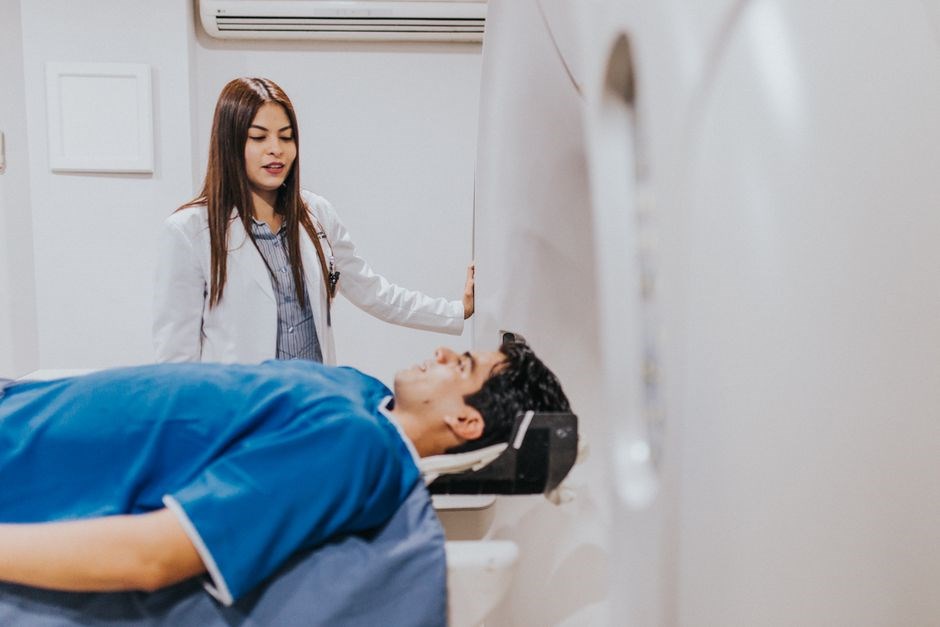
In the lateral position, the patient lies on the side with the upper body slightly elevated. This orientation is frequently used to prevent aspiration in patients with impaired airway reflexes, to facilitate drainage of secretions, and to reduce pressure on the dependent side. The patient’s upper arm is positioned in a flexed, abducted position, while the lower arm is extended to maintain a neutral spine. A pillow is placed between the knees to keep the pelvis aligned and to avoid lumbar flexion. The head is supported with a small pillow or rolled towel to maintain a neutral cervical alignment. Nurses must assess the patient’s tolerance, ensuring that the position does not compromise circulation or cause discomfort. Regular repositioning, at least every two hours, is essential to prevent pressure ulcers and to promote optimal oxygenation. Documentation should record the side of the bed, the angle of elevation, any adjunctive supports, and the patient’s response to the position. This method is endorsed by current guidelines and improves patient outcomes by reducing aspiration risk and enhancing respiratory mechanics. The lateral position is also useful for patients undergoing cardiac or pulmonary procedures, as it allows better access to the thoracic cavity while maintaining patient safety. This patient positioning cheat sheet is endorsed by current guidelines and improves outcomes. This method is supported by guidelines and improves outcomes. Clinicians should monitor skin integrity, adjust pillows, and reassess positioning every two hours for comfort and safety.

Nursing Considerations and Documentation
Nursing considerations emphasize patient safety, pressure ulcer prevention, and accurate documentation. Nurses assess pain, skin integrity, and airway status before repositioning. Documentation should record position, time, support devices, and patient response. Regular reassessment ensures optimal care.
Positioning Techniques
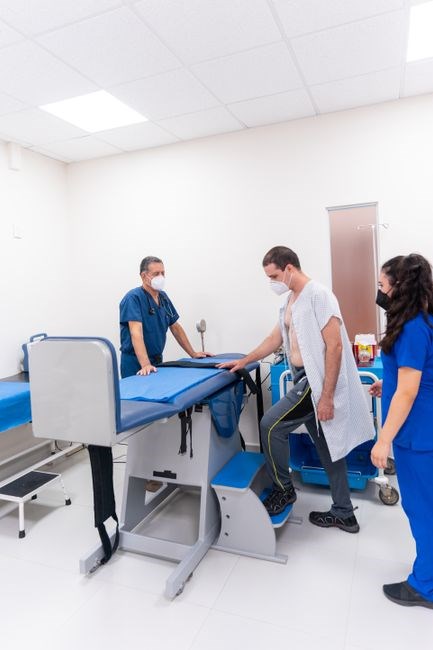
Positioning techniques begin with a systematic assessment of the patient’s medical status, skin integrity, and comfort level. The first step is to determine the optimal head‑of‑bed (HOB) angle. High‑Fowler positions (HOB 60–90°) are frequently employed during respiratory distress, nasogastric tube insertion, or oral care, allowing the patient to sit upright while keeping the knees either bent or straight to reduce abdominal pressure. When a lateral decubitus position is required—for unilateral lung disease or to prevent aspiration—careful alignment of shoulders, hips, and knees is essential. Pillows or foam wedges under the knees and between the legs help maintain neutral joint angles and reduce pressure on the sacrum. In prone positioning, indicated for severe acute respiratory distress syndrome, the patient’s head is turned to the side, and a small pillow or rolled towel is placed under the shoulder to prevent cervical strain. The abdomen should remain flat against the bed to avoid abdominal compression. Throughout all positions, the use of pressure‑relieving devices—gel or foam mattresses, overlay sheets, specialized cushions—helps distribute weight evenly and mitigate the risk of pressure ulcers. Repositioning intervals should follow the facility’s protocol, typically every two hours for high‑risk patients, and each change must be documented in the patient’s chart, noting the exact position, time, and any observed changes in skin condition or comfort. Adhering to these techniques ensures positioning is safe and therapeutic, supporting respiratory function, pain relief, and overall patient well‑being. These evidence‑based practices are summarized in patient positioning PDFs and cheat sheets, which provide quick reference for clinicians for quick use today.
Safety Precautions
Before any repositioning, assess the patient’s stability, spinal precautions, and potential for aspiration. Secure all lines, tubes, and IVs with proper tape or securement devices to prevent accidental dislodgement during movement. Use a gentle, controlled motion, applying a “push‑and‑hold” technique to avoid sudden shifts that could strain the musculoskeletal system. For patients with cervical spine injury, employ a cervical collar and ensure the head remains neutral throughout the process. When using a high‑Fowler angle, monitor for orthostatic hypotension; check blood pressure and heart rate before and after position changes, especially in elderly or cardiac patients. Employ pressure‑relief devices—foam wedges, gel pads, or specialized cushions—to distribute weight and reduce shear forces on the skin. Inspect the skin for redness, moisture, or pressure points after each repositioning, and document findings in the patient’s chart. Always use a second caregiver for large or unstable patients to maintain balance and reduce the risk of falls. Maintain a clear line of sight and communication with the patient, explaining each step to reduce anxiety and ensure cooperation. Finally, adhere to institutional protocols for repositioning intervals, typically every two hours for high‑risk patients, and adjust based on clinical judgment and patient response. These safety measures, outlined in patient positioning PDFs, help prevent complications and promote optimal outcomes. Additionally, ensure bed rails are set appropriately to prevent accidental falls, and use non‑slip mats under the patient’s feet when the bed is in a high position. Verify that all adhesive materials are compatible with the patient’s skin type to avoid dermatitis. If the patient has a history of pressure ulcers, consider a pressure‑mapping system to guide repositioning. Regular training updates for staff on safe positioning techniques reinforce competency and monitor closely. Documenting each repositioning event with time stamps and observations supports quality improvement initiatives. Use and review now!
Respiratory and Comfort Benefits
Proper positioning improves ventilation, reduces atelectasis, and eases breathing. Elevating the head enhances lung expansion, while lateral positions relieve pressure on the diaphragm. Comfort is increased by aligning the spine, minimizing pain, and allowing easier mobilization. Patients feel betterand rest.
Respiratory Support
Positioning patients in a semi‑upright or Fowler’s position (head of bed elevated 30°–45°) is a cornerstone of respiratory care. This angle facilitates diaphragmatic excursion, promotes alveolar recruitment, and reduces the risk of atelectasis. By allowing the chest to expand freely, the patient experiences improved tidal volume and oxygenation. In addition, the semi‑upright posture decreases abdominal pressure on the diaphragm, enhancing venous return and cardiac output. Nurses should monitor for orthostatic hypotension and adjust the angle gradually to prevent dizziness. When patients are unable to tolerate a semi‑upright position, a lateral decubitus position can be employed; placing the patient on the left side facilitates drainage of secretions from the right lung and can aid in ventilatory support for those on mechanical ventilation. Proper use of pillows or wedge supports ensures that the head, neck, and torso remain aligned, preventing pressure ulcers and maintaining airway patency. Regular repositioning every two hours is recommended to sustain optimal respiratory mechanics and to mitigate the development of pressure injuries. Documentation of the exact angle, time, and any changes in respiratory status is essential for continuity of care and for evaluating the effectiveness of positioning interventions. Nurses should assess for signs of respiratory distress, increased work of breathing, and adjust positioning accordingly promptly. This positioning improves patient safety and reduces complications. It aids care and safety.
Pain Management
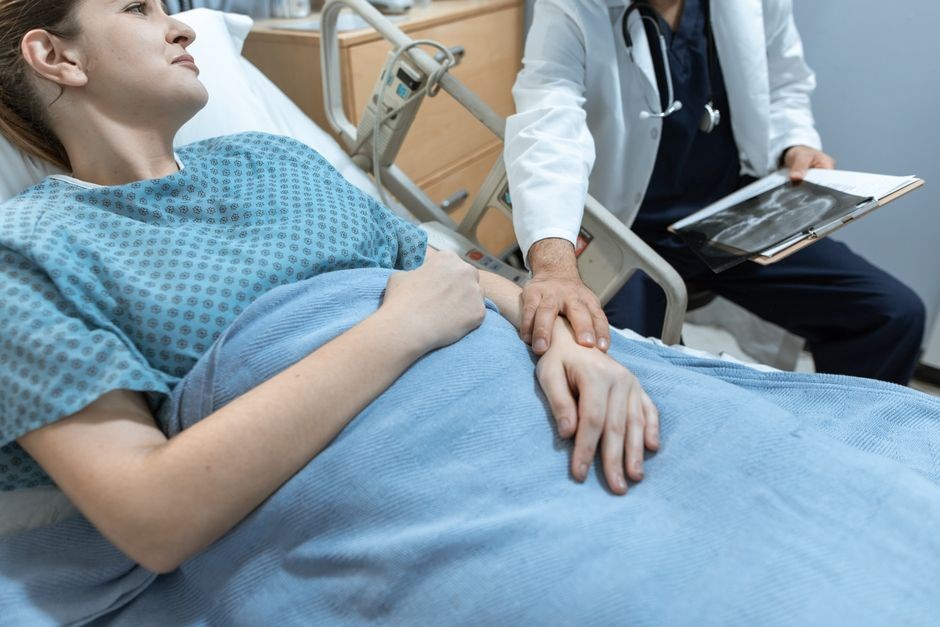
Effective pain control hinges on strategic positioning that alleviates pressure points, improves circulation, and supports musculoskeletal alignment. In acute settings, elevating the affected limb above heart level reduces edema and eases venous return, while gentle flexion of joints decreases strain on ligaments and tendons. For postoperative patients, the lateral decubitus position with a supportive pillow between the knees can relieve lumbar stress and encourage diaphragmatic breathing, which indirectly reduces pain perception. When managing chronic back pain, a semi‑upright posture with a small wedge under the lumbar spine offers sustained support and minimizes shear forces across the spine. Nurses should employ foam or gel cushions to redistribute weight and prevent pressure ulcer development, which often exacerbates discomfort. Regular repositioning—every two to three hours—prevents the formation of localized pressure and maintains a dynamic environment that discourages pain flare‑ups. Additionally, aligning the head, neck, and trunk in a neut position reduces cervical strain, a common source of headaches, neck pain. Documentation of pain scores before and after repositioning allows for objective assessment of intervention’s efficacy. When patients report increased discomfort repositioning coupled with adjunctive modalities heat packs guided breathing can further attenuate pain. Ultimately, patient‑centered positioning is a non‑pharmacologic cornerstone of comprehensive pain management, enhancing recovery and patient satisfaction.

PDF Resources and Guidelines
For clinicians seeking concise, evidence‑based guidance, a number of downloadable PDFs are available. The Patient Positioning Cheat Sheet 1.pdf offers a quick reference to common positions, recommended angles, and nursing considerations for each scenario. This sheet is frequently cited in nursing coursework and clinical hand‑outs, providing a visual map of supine, prone, Fowler’s, and lateral arrangements. Another valuable resource is the Patient Positioning PDF from the “Anatomical Terms Of Motion Respiratory Diseases” series. It outlines the anatomical rationale behind each position, links respiratory mechanics to bed angles, and includes diagrams that illustrate neutral alignment versus therapeutic positioning. For those involved in airway management, the High‑Fowlers guideline PDF details the head‑of‑bed elevation range (60–90°) and explains its role in preventing aspiration and improving oxygenation during respiratory distress or nasogastric tube insertion. Many institutions also host institutional guidelines in PDF format, such as the Barrow Quarterly series, which presents evidence‑based positioning protocols and pressure‑relief strategies. These documents typically include checklists, contraindications, and documentation templates to ensure compliance with best practices. By integrating these PDFs into clinical workflows, nurses can standardize positioning techniques, reduce variability, and enhance patient safety across diverse care settings.
Clinicians can also consult the National Institute for Health and Care Excellence (NICE) Positioning Guidelines PDF, which offers evidence‑based recommendations for pressure ulcer prevention. The American Nurses Association (ANA) publishes a Positioning Standards PDF detailing best practices across various clinical scenarios. The World Health Organization (WHO) provides a patient positioning handbook PDF that addresses global standards. These documents serve as reference tools for novice practitioners!!