SkinPen Aftercare: A Comprehensive Guide (Updated 05/04/2026)
This guide details essential post-SkinPen care, focusing on optimal healing and results. Understanding the procedure – utilizing sterile needles for controlled micro-injuries – is crucial for successful recovery.
Understanding SkinPen Microneedling
SkinPen Precision is a medical-grade, FDA-cleared microneedling device renowned for its precision and safety. Unlike many at-home “dermarollers,” SkinPen utilizes sterile, single-use needle cartridges, significantly minimizing the risk of infection and ensuring consistent treatment depth; The procedure itself involves creating thousands of microscopic punctures in the skin’s surface.
These controlled micro-injuries are the catalyst for the body’s natural healing process. This isn’t about damaging the skin; it’s about strategically prompting it to repair and rejuvenate itself. The micro-channels created by SkinPen facilitate enhanced product absorption – serums and topical treatments can penetrate deeper, maximizing their efficacy.
The depth of the needles is adjustable, allowing practitioners to tailor the treatment to individual skin concerns and types. From superficial rejuvenation to addressing deeper wrinkles and scars, SkinPen offers versatility. It’s vital to understand that SkinPen is not a quick fix; it’s a process that unfolds over weeks and months, revealing progressively improved skin texture and tone. Proper aftercare, as detailed in this guide, is paramount to achieving optimal results and maintaining skin health.
The Science Behind Microneedling & Collagen Induction
Microneedling’s effectiveness lies in its ability to stimulate the skin’s natural wound healing response. When SkinPen creates those controlled micro-injuries, the body immediately recognizes the need for repair. This triggers a cascade of biological processes, most notably the release of growth factors.
These growth factors are the key to collagen induction – the process of stimulating fibroblasts, the cells responsible for producing collagen and elastin. Collagen provides structural support, giving skin its firmness and elasticity, while elastin allows it to stretch and bounce back. As we age, collagen and elastin production naturally declines, leading to wrinkles and sagging.
SkinPen effectively reverses this decline by prompting the skin to rebuild these essential proteins. The micro-channels also enhance the delivery of nutrients and growth factors directly to the targeted areas. This isn’t just about surface-level improvement; it’s about addressing the underlying structural issues within the skin. The result is a gradual thickening of the epidermis, improved skin texture, and a reduction in the appearance of scars and wrinkles.
Immediate Post-Treatment Care (First 24 Hours)
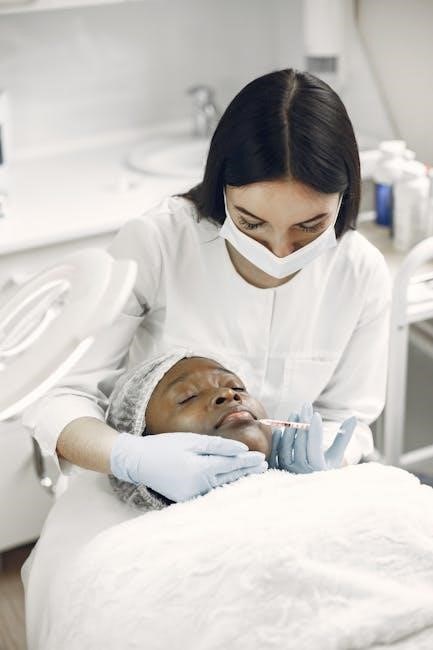
The initial 24 hours following your SkinPen treatment are critical for initiating the healing process. Immediately after the procedure, your skin will likely resemble a mild sunburn – redness, warmth, and slight swelling are normal. Avoid touching your face unnecessarily to minimize the risk of introducing bacteria.
Your practitioner will likely apply a soothing serum or balm containing ingredients like hyaluronic acid or peptides. Resist the urge to apply makeup, harsh skincare products, or anything containing active ingredients like retinol or acids. Gentle cleansing is permitted after a few hours, using only lukewarm water and a very mild cleanser.
Avoid strenuous exercise, excessive sweating, and prolonged sun exposure. Sleep with your head slightly elevated to minimize swelling. Hydration is key; drink plenty of water to support your skin’s natural repair mechanisms. Expect some tightness and sensitivity, but avoid picking at any flaking skin that may begin to appear. Prioritize rest and allow your skin to begin its recovery journey.
Managing Redness and Inflammation
Redness and mild inflammation are expected responses to SkinPen microneedling, indicating your skin’s natural healing process is underway. Initially, this may resemble a sunburn, peaking within the first 24-48 hours. Cool compresses, applied gently for 10-15 minutes several times a day, can help soothe discomfort and reduce inflammation.
Avoid hot showers, saunas, and anything that increases blood flow to the treated area during the first few days. Your practitioner may recommend a calming serum containing ingredients like aloe vera, chamomile, or green tea extract. These botanicals possess anti-inflammatory properties that can aid in recovery.
It’s crucial to avoid irritating ingredients (discussed later) that can exacerbate redness. While some swelling is normal, significant or worsening inflammation warrants contacting your practitioner. Patience is key; redness gradually subsides over several days, revealing brighter, rejuvenated skin. Consistent, gentle care is paramount during this phase.
Pain Management Strategies
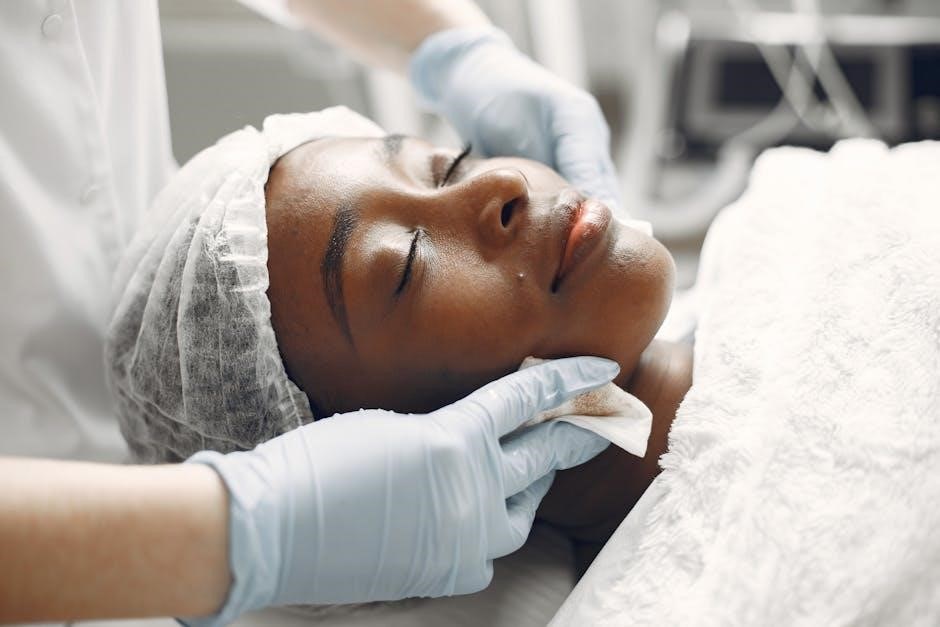
During the SkinPen procedure, most individuals experience a sensation akin to a mild scratching. Post-treatment, you may feel some sensitivity or discomfort, which is generally manageable. Immediately following the session, applying a cooling gel or mask can provide soothing relief. Over-the-counter pain relievers, such as acetaminophen, can be taken as needed, adhering to package instructions.
Avoid non-steroidal anti-inflammatory drugs (NSAIDs) like ibuprofen or naproxen for the first 24-48 hours, as they may potentially interfere with the collagen-induction process. Gentle, cool compresses can also help minimize any lingering discomfort. It’s important to note that pain levels vary depending on treatment depth and individual tolerance.
If you experience persistent or severe pain, contact your practitioner. They can assess the situation and provide tailored recommendations. Remember, any discomfort is temporary and a sign that your skin is responding to the treatment and initiating its natural repair mechanisms. Prioritize comfort and follow aftercare guidelines diligently.
Cleansing Protocols: What to Use & Avoid
Maintaining meticulous hygiene is paramount post-SkinPen. For the first 24-48 hours, avoid harsh cleansers, exfoliants, and products containing active ingredients like retinol or acids. Opt for a gentle, pH-balanced cleanser – ideally one recommended by your practitioner – to cleanse the treated area.
Use lukewarm water and gently pat your skin dry with a clean, soft towel; avoid rubbing. Double cleansing is not recommended during this initial phase. Focus on removing any debris without disrupting the healing process. After the initial 48 hours, you can gradually reintroduce your regular cleanser, but continue to prioritize gentle formulations.
Avoid scrubbing or aggressive washing, as this can irritate the skin and impede recovery. Steer clear of products with fragrances, alcohol, or dyes, as these can cause inflammation. Consistent, gentle cleansing supports optimal healing and minimizes the risk of complications. Always follow your practitioner’s specific instructions.
Moisturizing: Essential for Healing
Hydration is absolutely critical following a SkinPen treatment. Immediately after the procedure, and for the subsequent days, apply a generous layer of a soothing, hydrating moisturizer recommended by your skincare professional. Look for ingredients like hyaluronic acid, ceramides, and peptides, which support skin barrier function and promote healing.
Avoid heavily fragranced or comedogenic (pore-clogging) moisturizers. The goal is to keep the skin nourished and prevent excessive dryness or flaking. Reapply moisturizer frequently throughout the day, especially if your skin feels tight or uncomfortable. This helps maintain a protective barrier and encourages optimal collagen production.
Consider using a bland, hypoallergenic ointment like petroleum jelly for the first night to lock in moisture. As healing progresses, you can transition to a lighter, more breathable moisturizer. Consistent moisturizing minimizes discomfort, reduces inflammation, and contributes to a smoother, more radiant recovery.
Sun Protection: The Cornerstone of Aftercare
Protecting your skin from the sun is paramount after SkinPen microneedling. Your skin will be exceptionally sensitive to UV radiation during the healing process, increasing the risk of hyperpigmentation, inflammation, and hindering optimal collagen remodeling. Strict sun avoidance is crucial for at least two weeks post-treatment, and ideally incorporated into your long-term skincare routine.
Whenever you are outdoors, even on cloudy days, apply a broad-spectrum sunscreen with an SPF of 30 or higher. Choose a physical sunscreen containing zinc oxide or titanium dioxide, as these are gentler on newly treated skin. Reapply every two hours, or more frequently if swimming or sweating.
Supplement sunscreen with protective clothing, such as hats and long sleeves, and seek shade whenever possible. Remember, sun damage can significantly compromise your results and potentially lead to unwanted side effects. Diligent sun protection is non-negotiable for successful SkinPen aftercare.
Avoiding Irritating Ingredients
Following SkinPen microneedling, your skin barrier is temporarily compromised, making it highly susceptible to irritation. It’s crucial to temporarily discontinue use of potentially irritating skincare ingredients to support optimal healing and prevent adverse reactions. This period of sensitivity typically lasts for at least one week, but may extend longer depending on treatment intensity and individual skin response.
Avoid products containing retinoids (retinol, tretinoin), alpha-hydroxy acids (AHAs – glycolic, lactic acid), beta-hydroxy acids (BHAs – salicylic acid), and strong chemical exfoliants. These ingredients can cause excessive irritation, inflammation, and potentially disrupt the collagen induction process. Similarly, steer clear of harsh scrubs, astringents, and products with high concentrations of alcohol.
Focus on gentle, hydrating products formulated for sensitive skin. Introduce active ingredients gradually, only after your skin has fully recovered and your practitioner has given the go-ahead. Prioritize soothing and nourishing ingredients to promote healthy healing.
Makeup Application Guidelines
While it’s best to embrace a “no-makeup” look immediately following SkinPen, complete avoidance isn’t always practical. If makeup is desired, strict guidelines must be followed to prevent infection and hinder the healing process. The primary rule is to minimize application and prioritize hygiene.
Wait at least 24 hours before applying any makeup. When you do, opt for mineral-based makeup, as it’s less likely to clog pores and contains fewer potential irritants. Avoid heavy foundations, concealers, and powders. Light, breathable formulations are preferred. Ensure all brushes and applicators are meticulously cleaned with antibacterial soap before and after each use.
Avoid applying makeup directly to areas that are still visibly red, inflamed, or exhibiting any signs of compromised skin. If possible, spot conceal only where absolutely necessary. Remove makeup gently each evening with a mild, fragrance-free cleanser. Prolonged makeup use should be avoided until complete healing is achieved.
Physical Activity Restrictions
Following a SkinPen treatment, it’s crucial to modify your physical activity routine to support optimal healing and prevent complications. Increased heart rate and perspiration can introduce bacteria into the newly created micro-channels, elevating the risk of infection. Therefore, strenuous exercise should be avoided for at least 48-72 hours post-procedure.
This includes activities like running, high-intensity interval training (HIIT), heavy lifting, and any exercise that causes significant sweating. Light walking is generally permissible, but avoid prolonged exposure to direct sunlight during these walks. Activities that could potentially introduce bacteria, such as swimming, saunas, and hot yoga, should be postponed for at least one week.
The goal is to keep the treated area clean and dry. Excessive movement and sweating can disrupt the healing process and potentially lead to inflammation or infection. Listen to your body and gradually reintroduce your regular exercise routine as your skin heals. Prioritize rest and recovery during this period.
What to Expect During the First Week
The first week following your SkinPen treatment is a critical phase in the healing process. Expect some initial redness and mild swelling, similar to a sunburn, which typically subsides within 24-72 hours. Some pinpoint bleeding is normal immediately after the procedure, but should stop quickly with gentle pressure.
Over the next few days, you’ll likely experience dryness and flaking as your skin begins to renew itself. This is a positive sign of collagen remodeling! Avoid picking or scrubbing at the flaking skin, as this can disrupt the healing process and potentially lead to hyperpigmentation.
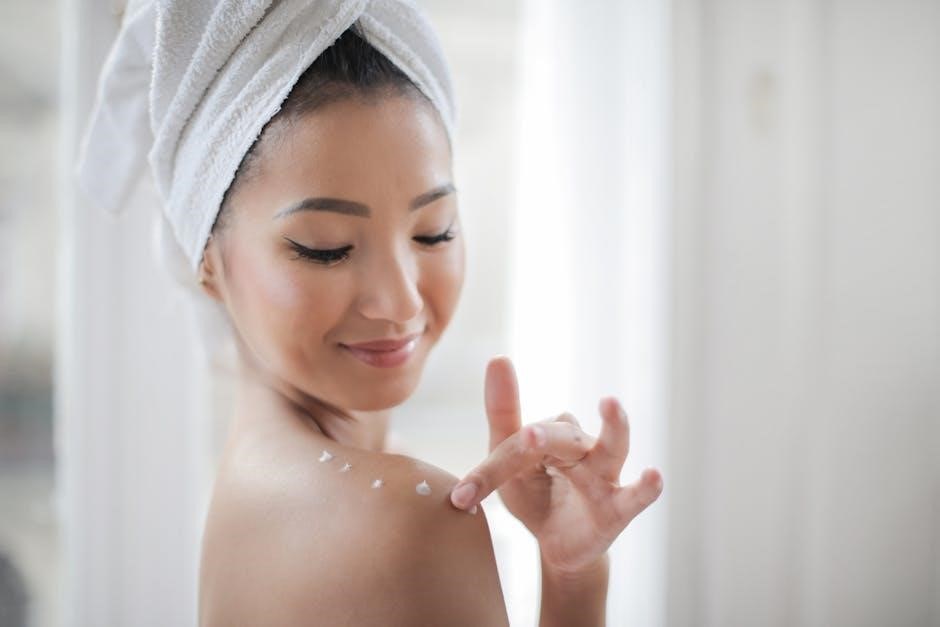
Mild sensitivity and tightness are also common. You may notice a subtle “grid” pattern on your skin as the micro-channels close. Continue diligent skincare, focusing on gentle cleansing, hydration, and strict sun protection. Avoid harsh actives and irritating ingredients. Remember, patience is key – full results develop over several weeks to months.
Potential Side Effects & When to Contact Your Practitioner
While SkinPen is generally safe, some temporary side effects are possible. These commonly include prolonged redness, swelling, bruising, and mild discomfort. Pinpoint bleeding immediately post-treatment is normal, but should resolve quickly. Itching is also frequently reported during the healing phase.
Less common, but more concerning, side effects require immediate attention. Contact your practitioner if you experience signs of infection – increased pain, pus, fever, or worsening redness. Hyperpigmentation or hypopigmentation (changes in skin color) can occur, particularly in individuals with darker skin tones; report any noticeable alterations.
Seek medical advice if you develop blisters, excessive swelling, or any unusual skin reactions. If you have a history of cold sores, the procedure may trigger an outbreak. Always follow your practitioner’s specific aftercare instructions and don’t hesitate to reach out with any concerns. Prompt communication ensures optimal healing and minimizes potential complications.
Dealing with Dryness and Flaking
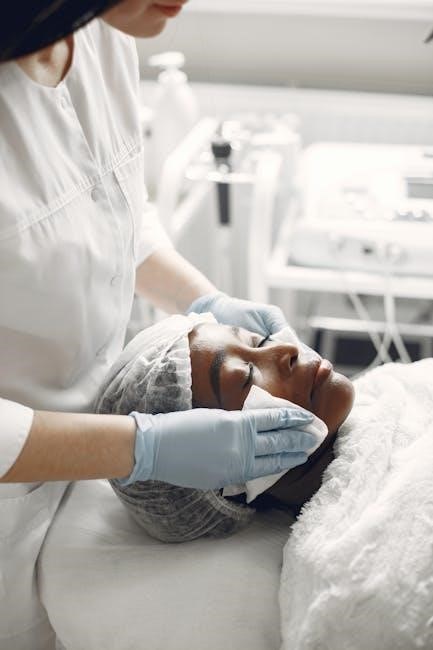
Dryness and flaking are incredibly common after SkinPen microneedling, representing a natural part of the skin’s renewal process. The micro-injuries stimulate collagen production, and as the skin heals, it sheds older layers, leading to temporary dryness. Resist the urge to pick or peel the flaking skin, as this can disrupt healing and potentially cause scarring.
Combat dryness with a rich, hydrating moisturizer recommended by your practitioner. Look for ingredients like hyaluronic acid, ceramides, and peptides. Apply generously and frequently, several times a day, to keep the skin supple. Avoid harsh exfoliants or abrasive scrubs during this phase. Gentle cleansing is key; opt for a mild, fragrance-free cleanser.
Humidifiers can also help maintain skin hydration. Drink plenty of water to support internal hydration. While uncomfortable, dryness and flaking are typically short-lived, resolving within a few days to a week. Consistent moisturizing is the most effective strategy for managing these side effects.
Long-Term Skincare Routine Post-SkinPen
Maintaining a consistent, supportive skincare routine after SkinPen is vital for maximizing and prolonging results. Focus on gentle, nourishing products that enhance collagen production and protect the skin barrier. Continue prioritizing hydration with a high-quality moisturizer containing hyaluronic acid and ceramides.
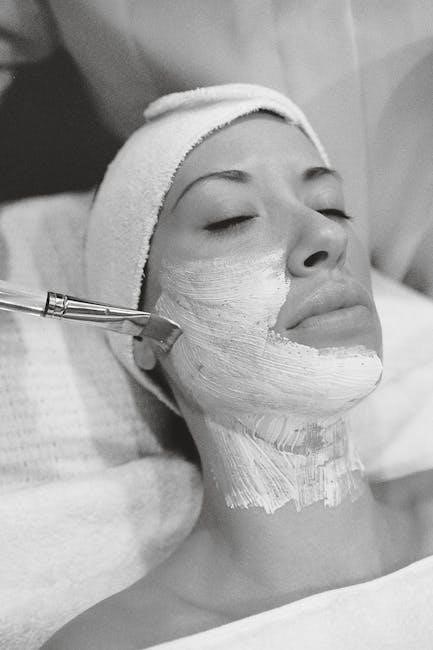
Introduce a Vitamin C serum in the mornings to provide antioxidant protection against environmental damage and brighten skin tone. Retinoids, used cautiously and gradually, can further stimulate collagen synthesis, but avoid them immediately post-treatment until fully healed. Always incorporate a broad-spectrum SPF 30 or higher daily – sun protection is non-negotiable.
Consider incorporating peptides into your routine to support collagen and elastin. Avoid harsh scrubs or aggressive chemical peels. Gentle cleansing remains essential. Regular, professional treatments, spaced appropriately, can further enhance and maintain the benefits of SkinPen. A tailored routine, guided by your practitioner, will yield the best long-term outcomes.
Optimizing Results with Supporting Products
To amplify the benefits of SkinPen, strategically incorporate supporting skincare products. Post-treatment, focus on barrier repair with ceramide-rich moisturizers and hydrating serums containing hyaluronic acid. These ingredients soothe inflammation and promote optimal healing.
Once initial redness subsides, consider growth factors to further stimulate collagen and elastin production. Vitamin C serums offer antioxidant protection and brighten skin tone, combating potential hyperpigmentation. Peptides can also support collagen synthesis, enhancing firmness and reducing wrinkles.
Avoid harsh actives like strong retinoids or AHAs/BHAs immediately after microneedling. Introduce them gradually, as tolerated, under the guidance of your practitioner. Always prioritize sun protection with a broad-spectrum SPF 30 or higher. Targeted serums addressing specific concerns – like pigmentation or texture – can be added as part of a comprehensive, long-term strategy.
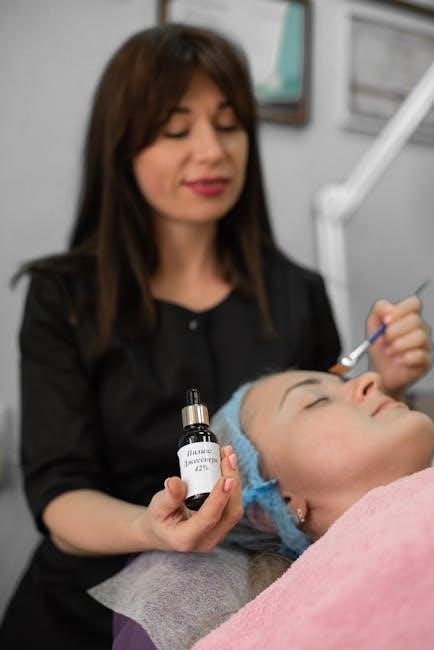
Diet and Hydration for Enhanced Healing
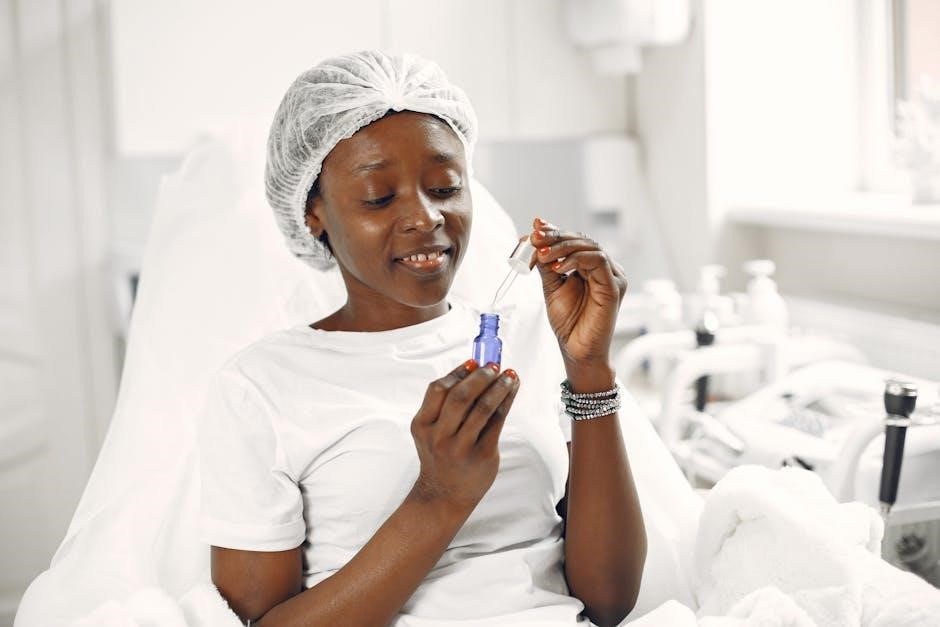
Post-SkinPen, internal nourishment is as vital as topical care. Prioritize a diet rich in protein, essential for collagen and tissue repair. Include lean meats, fish, eggs, and plant-based protein sources like beans and lentils.
Consume foods abundant in Vitamin C, a crucial antioxidant supporting collagen synthesis and immune function – think citrus fruits, berries, and leafy greens. Zinc, found in nuts, seeds, and whole grains, aids wound healing and reduces inflammation. Healthy fats, like those in avocados and olive oil, contribute to skin barrier function.
Hydration is paramount. Drink plenty of water throughout the day to maintain skin plumpness and facilitate the healing process. Avoid excessive sugar and processed foods, which can hinder recovery and exacerbate inflammation. Consider incorporating herbal teas with anti-inflammatory properties, like chamomile or green tea, to further support your body’s natural healing mechanisms.
Addressing Specific Skin Concerns Post-Treatment
Post-SkinPen, individual skin responses vary. For those prone to hyperpigmentation, diligent sun protection is non-negotiable, alongside a Vitamin C serum to brighten skin and inhibit melanin production. Redness and sensitivity are common; gentle, hydrating products are key, avoiding harsh actives like retinoids or AHAs initially.
If you experience breakouts, resist the urge to pick or scrub. A mild salicylic acid cleanser can help, but use sparingly. For those with rosacea, prioritize calming ingredients like niacinamide and azelaic acid, and avoid triggers like spicy foods or alcohol. Dryness and flaking are typical; layer hydrating serums and moisturizers, and consider a humidifier.
Should you notice persistent or unusual symptoms – excessive swelling, signs of infection, or prolonged discomfort – contact your practitioner immediately. Remember, personalized care is crucial, and addressing specific concerns promptly optimizes results and minimizes complications.
Preventing Infection: Key Precautions
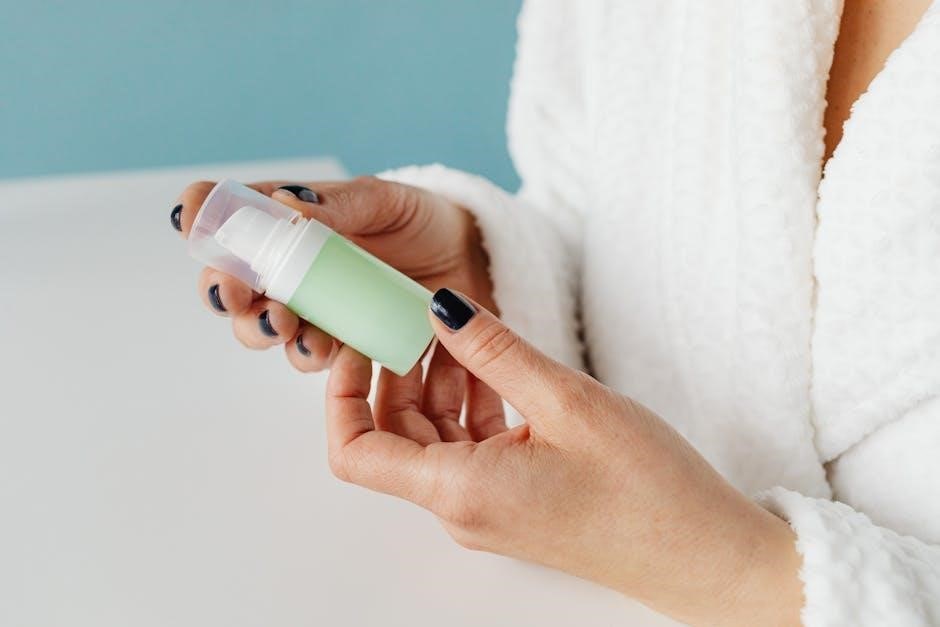
Maintaining impeccable hygiene is paramount post-SkinPen to prevent infection. Immediately following the procedure, your practitioner will apply a sterile occlusive barrier. Resist touching your face unnecessarily, and absolutely avoid picking at any scabs or flaking skin – this introduces bacteria and disrupts healing.
Wash your hands thoroughly with antibacterial soap before applying any products to your face. Keep treated areas clean with a gentle, pH-balanced cleanser, avoiding harsh scrubs or exfoliants. Avoid public swimming pools, saunas, and excessive sweating for at least 72 hours.
Be vigilant for signs of infection: increased redness, swelling, pus, or fever. If you suspect an infection, contact your practitioner immediately. Do not attempt to self-treat. Following these precautions diligently minimizes risk and ensures a smooth, healthy recovery, maximizing the benefits of your SkinPen treatment.
SkinPen Aftercare: A Timeline for Optimal Recovery
The recovery process following SkinPen microneedling unfolds in stages. Days 1-3: Expect redness, mild swelling, and a sensation akin to a sunburn. Gentle hydration and strict adherence to cleansing protocols are key. Days 4-7: Redness subsides, and you may notice slight dryness and flaking. Continue moisturizing diligently and avoid harsh actives.
Week 2: Flaking diminishes, and skin begins to appear brighter. Introduce a gentle Vitamin C serum to support collagen synthesis. Weeks 3-4: Continued collagen remodeling occurs, resulting in improved skin texture and tone. Gradually reintroduce your regular skincare routine, monitoring for sensitivity.
Months 1-3: Optimal results are typically visible within this timeframe. Consistent sun protection and a hydrating skincare regimen are crucial for maintaining improvements. Remember, individual healing times vary; patience and consistent aftercare are vital for achieving the best possible outcome.